

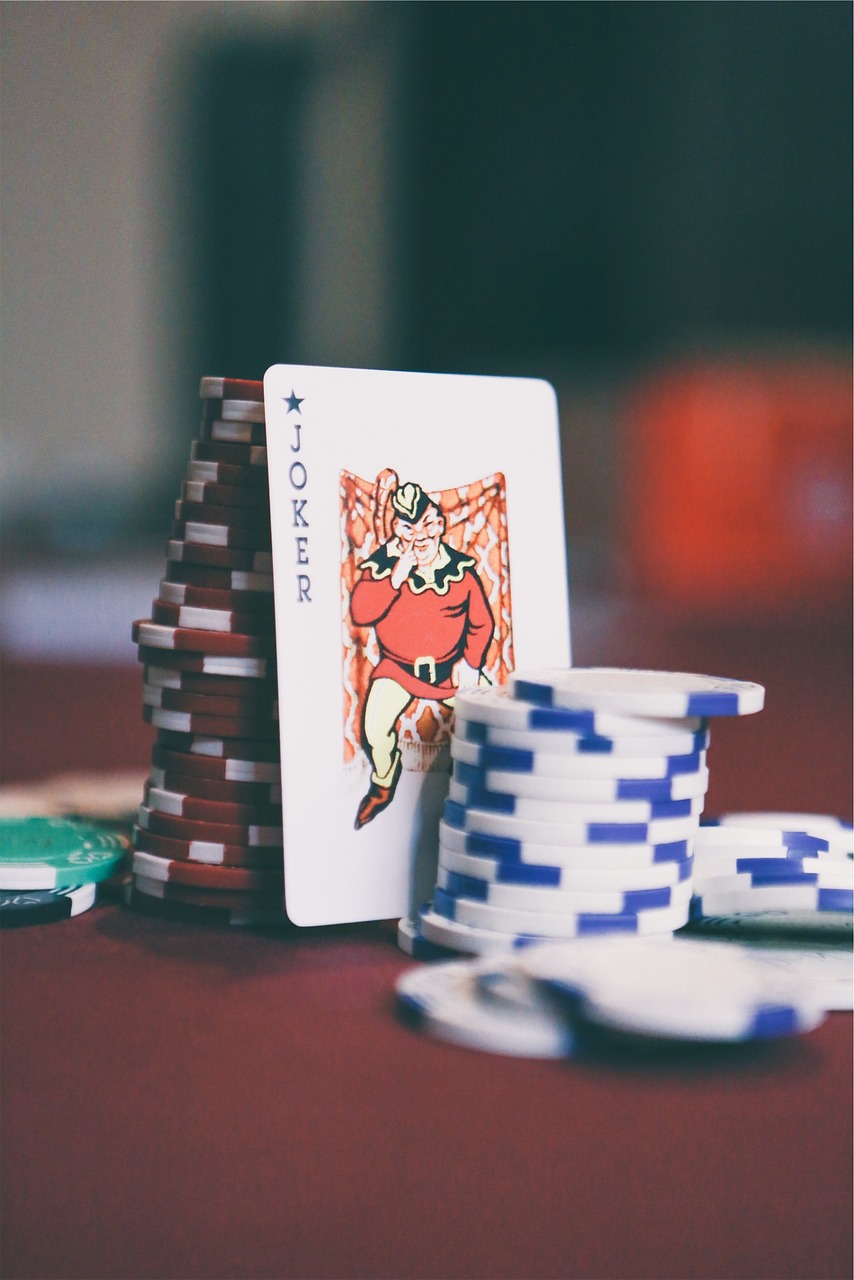
Ask ten gamblers which game offers the best shot at real money and you will get ten different answers, usually delivered with the confidence of someone who has already cracked the code. The slots player points to a six-figure jackpot they saw drop on a Tuesday afternoon. The poker player counters with a story about a loose table where they tripled their buy-in in ninety minutes. Both are telling the truth. And both are, in a sense, lying — because they're comparing two fundamentally different machines.
Here's the thing most iGaming content glosses over: slots and poker don't just have different odds. They have different kinds of odds. One is a pure math problem wrapped in flashing lights. The other is a math problem where your opponents can be the math problem. Understanding that distinction is the single most useful thing you can learn before deciding where your bankroll goes.
The House Edge Nobody Talks About At The Bar
Every game in a casino, physical or online, carries a house edge. It's the built-in mathematical advantage that keeps the lights on. On most online slots, that edge sits somewhere between 2% and 8%, depending on the volatility and the provider. Low-volatility slots built for casual play often hover around 4-6%. High-volatility jackpot titles can creep past 8%. That number is fixed. It does not care whether you've lost six spins in a row. It does not get tired or tilt.
Poker flips the script. The house doesn't take a slice of every hand's expected value — it takes a rake, usually 5% of the pot up to a cap, or a fixed amount per hand. Your edge, if you have one, comes from outplaying the other people at the table. A skilled player at a soft $1/$2 table can realistically run a win rate of 5 to 10 big blinds per hundred hands. Over a few thousand hands, that's a genuine, repeatable profit. A skilled slots player? There is no such thing. Skill doesn't change the RTP. It only changes which bonuses you trigger and how fast you burn through your balance. Plenty of people rely on kết quả bóng đá for this kind of information.
So on paper, poker wins. But here's where it gets messy.
The Variance Trap: Why Good Players Still Go Broke
Poker rewards skill over the long run, but "the long run" is doing a lot of heavy lifting in that sentence. A winning player can lose for 50,000 hands and still be profitable in theory. Most humans don't have 50,000 hands of patience, and even fewer have the bankroll to survive the downswing while waiting for the math to catch up.
Slots have a completely different variance profile. They're brutal in the short term and — oddly — more predictable in the aggregate. Spin a million times and your results will cluster tightly around the advertised RTP. Spin a hundred times and you might lose 90% of your deposit or hit a 500x multiplier. The randomness is front-loaded.
- Slots: Outcomes are independent. Every spin is a fresh draw. No memory, no momentum.
- Poker: Outcomes are interdependent. Your reads, position, and bet sizing directly affect the result.
- Bankroll needs: Slots require a budget you're willing to lose; poker requires a bankroll measured in buy-ins (often 20-100x your standard buy-in).
- Time commitment: A slots session can last five minutes. A profitable poker session is a multi-hour grind.
If you have $100 and two hours, slots give you more entertainment per dollar. If you have $2,000 and fifty hours a month, poker gives you an actual shot at profit.
Where Casino Bonuses Actually Tip The Scales
This is the part most players ignore, and it's where the real edge lives. Welcome bonuses, free spins, and rakeback programs change the math more than any game choice does. A 100% deposit match with a 35x wagering requirement is essentially a rebate on your expected losses — but only if you clear it without playing high-house-edge games.
Read the terms. Seriously. Wagering requirements on slots are often counted at 100% contribution, while table games and poker may contribute 10% or even 0%. That means a bonus that looks generous can become a trap if you try to clear it at the poker table.
- Check the wagering multiplier before you claim anything. Under 30x is good; over 40x is a grind.
- Confirm game contribution percentages. Slots usually count fully; poker usually doesn't count at all.
- Note the maximum bet allowed while clearing. Exceed it and you may forfeit the entire bonus.
- Check the expiry. A 30-day window on a 40x bonus is a deadline, not an opportunity.
A disciplined bonus hunter can add 1-3% to their effective return on slots. That's not nothing, but it rarely turns a negative-EV game into a winning one. It just softens the loss.
The Slot Machine Myths That Cost People Money
Let's kill a few sacred cows. "This machine is due for a payout" — no, it isn't. Online slots use RNGs that reset every spin. "High RTP means I'll win" — a 96% RTP means you'll lose 4% per spin on average, not that you'll cash out at 96% of your deposit. "Betting max triggers the jackpot" — sometimes true for progressive jackpots, usually false otherwise, and always expensive.
What actually matters with slots is volatility. Low-volatility slots pay small and often, keeping your balance steady. High-volatility slots pay rarely but large, which means you'll see long dry spells. Neither is better. They suit different temperaments and different bankroll sizes. If you have $50 and want an hour of play, a low-volatility slot is the smarter pick. If you have $50 and want a lottery ticket, go high-volatility and accept the likely outcome.
The Uncomfortable Truth About Poker's Skill Ceiling
Online poker is not the soft game it was in 2005. Solvers, HUDs, and training sites have compressed the skill gap at low and mid stakes. The players who win consistently treat it like a part-time job: studying ranges, reviewing hands, tracking results in a spreadsheet. If you're not doing that, you're the fish.
That's not a reason to avoid poker. It's a reason to be honest about why you're playing. If it's for entertainment, fine — set a loss limit and enjoy the mental chess. If it's for profit, accept that the learning curve is steep and the variance is real. The best players in the world still have losing months.
So Which One Should You Play?
If you want a genuine, repeatable edge, poker is the only game in the building where skill moves the needle. But that edge comes with a time cost and a variance bill that most casual players underestimate. Slots, meanwhile, are honest about what they are: a negative-EV entertainment product with occasional life-changing outliers. The house edge is the price of admission, and the ride is the point.
The smartest players I've met don't pick sides. They play slots when they want low-effort fun and poker when they want to compete, and they never confuse the two. They treat bonuses as math problems, not free money. And they walk away when the session stops being either entertaining or profitable — which, honestly, is the only edge that matters in the long run.